
Fragment 176-191 5mg
€28.50

Fragment 176-191 5mg
€28.50
- Description
- Benefits
- Risks
- Additional information
- Research
Description
HGH Fragment 176-191 is a synthetic peptide derived from the C-terminal region of human growth hormone, specifically engineered for research into lipolysis, adipose tissue signalling, and metabolic pathway modulation.
Unlike full-length HGH, this fragment is studied for its targeted interaction with fat metabolism pathways, without replicating the broader anabolic or endocrine effects associated with native growth hormone.
In laboratory research across Ireland and Europe, HGH Fragment 176-191 is commonly explored in studies focused on:
- Lipolysis and fat metabolism mechanisms
- Adipocyte signalling and lipid utilisation
- Energy expenditure and metabolic efficiency
- Growth hormone fragment-specific activity
This product is supplied as a high-purity research peptide, intended strictly for scientific and laboratory use.
Disclaimer: This product is strictly for research purposes only and is not for human consumption.
Technical Information – HGH Fragment 176-191
| Specification | Details |
|---|---|
| Product Name | HGH Fragment 176-191 |
| Compound Type | Synthetic peptide fragment |
| Origin | Derived from human growth hormone |
| Amino Acid Range | Residues 176–191 |
| Functional Class | Lipolytic research peptide |
| Mechanism of Action | Targets adipose tissue and fat metabolism pathways (research context) |
| Biological Targets | Adipocytes, metabolic signalling systems |
| Format | Lyophilised powder |
| Purity | Research-grade (high purity) |
| Storage | Refrigerated (2–8°C, protected from light) |
| Application | Laboratory research use only |
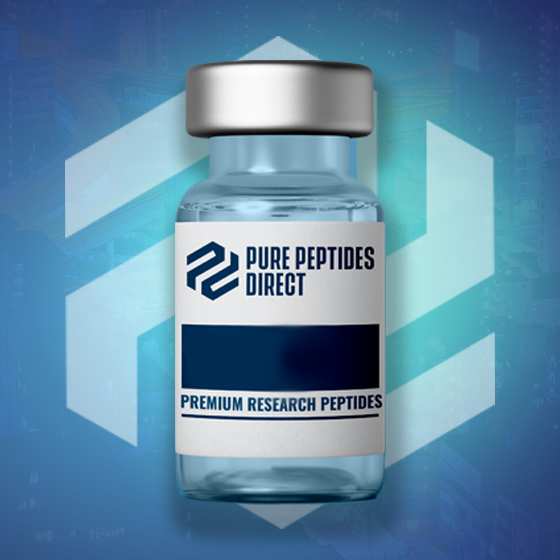
* Images for illustration purposes only
Further Refrences: PubChem Entry
Researched Benefits & Focus Areas – HGH Fragment 176-191
1. Fat Metabolism & Lipolysis Research
HGH Fragment 176-191 has been studied for:
- Activation of lipolysis pathways in adipose tissue models
- Influence on fat breakdown and lipid mobilisation
- Reduction of lipid accumulation in experimental systems
Reference basis: Derived from preclinical studies examining growth hormone fragments and their selective role in fat metabolism.
2. Adipose Tissue Signalling
Research has explored:
- Interaction with fat cell (adipocyte) signalling pathways
- Effects on cellular fat storage and utilisation mechanisms
- Selective activity in adipose-specific biological models
Reference basis: Based on metabolic research investigating adipose tissue regulation and peptide-driven signalling pathways.
3. Energy Expenditure & Metabolic Regulation
HGH Fragment 176-191 is used in:
- Energy utilisation and metabolic efficiency studies
- Research into caloric expenditure pathways
- Exploration of metabolic signalling modulation
Reference basis: Supported by biochemical studies on metabolic regulation and hormone-derived peptide activity.
4. Targeted GH Fragment Activity
- Studied for selective biological activity distinct from full HGH
- Focus on lipolytic mechanisms without broader GH signalling
- Enables research into specific peptide fragment functionality
Reference basis: Derived from comparative research analysing full-length growth hormone versus isolated peptide fragments.
Disclaimer: These are research-based findings only. This product is not intended for human use or consumption.
Researched Risks & Considerations – HGH Fragment 176-191
1. Limited Clinical Research
- Primarily studied in preclinical environments
- Lack of extensive human data
- Long-term effects remain uncertain
Reference basis: Reflects the current stage of growth hormone fragment research.
2. Metabolic System Interaction
- May influence multiple metabolic pathways
- Potential for unexpected biological responses in models
Reference basis: Based on studies examining complex metabolic signalling networks.
3. Off-Target Biological Effects
- Possible interaction with non-target tissues
- Broader systemic influence in experimental conditions
Reference basis: Derived from research into peptide distribution and signalling across biological systems.
4. Research-Only Classification
- Not approved for medical or therapeutic use
- Requires controlled laboratory handling
- Strictly limited to scientific research environments
Reference basis: Based on regulatory standards governing research peptides in EU and international markets.
Disclaimer: These risks are based on available research data only. This product is strictly a research peptide and not for human consumption.
Additional information
| Weight | 23 kg |
|---|---|
| Dimensions | 12 × 23 × 56 cm |
| Quantity | 1 Vial, 1 Kit (10 Vials) |