
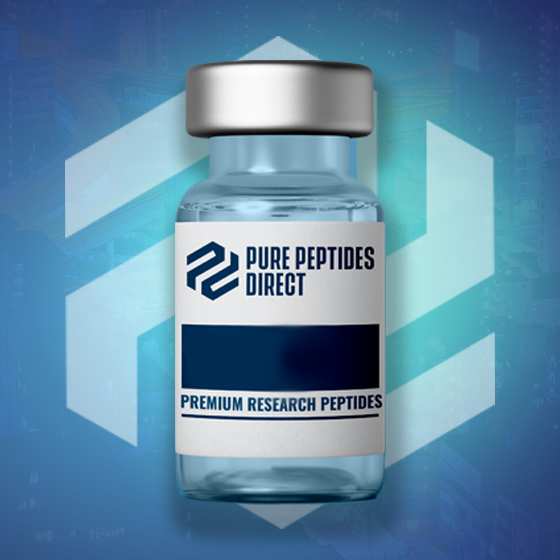
BPC-157 5mg
€13.99
BPC-157 5mg
€13.99
- Description
- Benefits
- Risks
- Additional information
- Research
Description
BPC-157 (Body Protection Compound-157) is a synthetic peptide composed of 15 amino acids, originally derived from a naturally occurring protein found within gastric juice. It is widely studied in laboratory environments for its role in cellular repair mechanisms, angiogenesis research, and signalling pathway modulation.
Within controlled research settings, BPC-157 has been investigated for its interaction with growth factors, nitric oxide pathways, and tissue regeneration processes, making it one of the most prominent compounds in regenerative peptide research.
As demand grows for pure peptides in Ireland and across Europe, BPC-157 remains a core compound in studies involving:
- Tissue repair and regeneration models
- Vascular development and angiogenesis
- Cellular signalling and growth factor interaction
- Gastrointestinal protection research
This product is supplied as a high-purity research peptide, intended strictly for scientific and laboratory use.
Disclaimer: This product is strictly for research purposes only and is not for human consumption.
Technical Information – BPC-157
| Specification | Details |
|---|---|
| Product Name | BPC-157 |
| Compound Type | Synthetic pentadecapeptide |
| Amino Acid Length | 15 amino acids |
| Functional Class | Cytoprotective research peptide |
| Mechanism of Action | Modulation of growth factors and nitric oxide pathways |
| Biological Targets | VEGF pathways, NO signalling, tissue repair systems |
| Format | Lyophilised powder |
| Purity | Research-grade (high purity) |
| Storage | Refrigerated (2–8°C, protected from light) |
| Application | Laboratory research use only |
* Images for illustration purposes only
Further Refrences: PubChem Entry
Researched Benefits & Focus Areas – BPC-157
1. Tissue Repair & Regenerative Research
BPC-157 has been studied extensively in:
- Muscle, tendon, and ligament repair models
- Wound healing and tissue regeneration processes
- Cellular recovery and repair signalling pathways
Reference basis: Derived from preclinical animal studies and in vitro research examining tissue healing and regenerative mechanisms.
2. Angiogenesis & Vascular Formation
Research has explored BPC-157’s role in:
- Stimulating blood vessel formation (angiogenesis)
- Interaction with VEGF and vascular signalling pathways
- Supporting vascular repair in damaged tissue models
Reference basis: Based on experimental studies focusing on angiogenesis and vascular endothelial growth factor (VEGF) activity.
3. Nitric Oxide Pathway Modulation
BPC-157 has been investigated for:
- Regulation of nitric oxide (NO) signalling
- Effects on endothelial function and vascular tone
- Influence on cellular communication pathways
Reference basis: Supported by biochemical and pharmacological studies examining nitric oxide systems and peptide signalling interactions.
4. Gastrointestinal & Cytoprotective Research
Due to its origin, BPC-157 is studied in:
- Gastrointestinal protection models
- Ulcer and mucosal repair research
- Cytoprotective mechanisms in digestive tissues
Reference basis: Derived from experimental research into gastric protection and intestinal healing pathways.
Disclaimer: These are research-based findings only. This product is not intended for human use or consumption.
Researched Risks & Considerations – BPC-157
1. Limited Human Clinical Data
- Research is largely preclinical
- Lack of extensive human trials
- Long-term effects remain uncertain
Reference basis: Reflects the current research stage with reliance on animal and laboratory studies.
2. Angiogenesis-Related Considerations
Due to its influence on vascular pathways:
- Potential for uncontrolled angiogenesis in models
- Theoretical impact on abnormal tissue growth pathways
Reference basis: Based on angiogenesis research and growth factor modulation studies.
3. Broad Systemic Interaction
- May interact with multiple biological pathways
- Potential for system-wide signalling effects in research models
Reference basis: Derived from studies on peptide interaction with growth factors and cellular signalling cascades.
4. Regulatory Status
- Not approved for medical or therapeutic use
- Classified strictly as a research compound
- Requires controlled laboratory handling
Reference basis: Based on regulatory frameworks governing research peptides in EU and international markets.
Disclaimer: These risks are based on available research data only. This product is strictly a research peptide and not for human consumption.
Additional information
| Weight | 23 kg |
|---|---|
| Dimensions | 12 × 23 × 56 cm |
| Quantity | 1 Vial, 1 Kit (10 Vials) |